October 16, 2026
Installing a water well is an important investment that can provide a dependable water supply for a residential or commercial property. However, the quality of the installation depends on the contractor's experience, equipment, site evaluation, and construction practices. Before choosing a water well drilling service, property owners should understand how the company approaches each stage of the project, from planning and budgeting to water testing and long-term maintenance.
Asking the right questions helps property owners compare providers, establish realistic expectations, and identify potential problems before work begins. The following considerations can help you make an informed decision and select a contractor equipped to meet your property's water needs.
1. Evaluate the Company's Drilling Experience
Review Industry Experience and Qualifications
Experience is an important consideration when hiring a drilling contractor. Companies familiar with local geological conditions are often better prepared to address challenges involving rocky ground, varying soil compositions, and changing groundwater levels. Ask how long the company has operated, what types of wells it has installed, and whether its previous projects involved conditions similar to those on your property. An established water well drilling service should be able to explain its experience and demonstrate familiarity with local drilling requirements.
It is also important to verify licensing, insurance, and compliance with applicable regulations. These qualifications help establish whether a contractor meets the requirements for performing drilling work in your area. Requesting references or reviewing customer feedback can provide additional insight into communication, workmanship, and project reliability.
Well depth deserves particular attention because it can influence water availability and quality. According to Forbes, a water well used for drinking water should be at least 100 feet deep. However, appropriate depth varies with local geology, groundwater conditions, and applicable requirements. A qualified contractor should evaluate these factors rather than rely on a universal depth recommendation for every property.
2. Assess the Equipment and Drilling Methods
Compare Technology and Equipment Maintenance
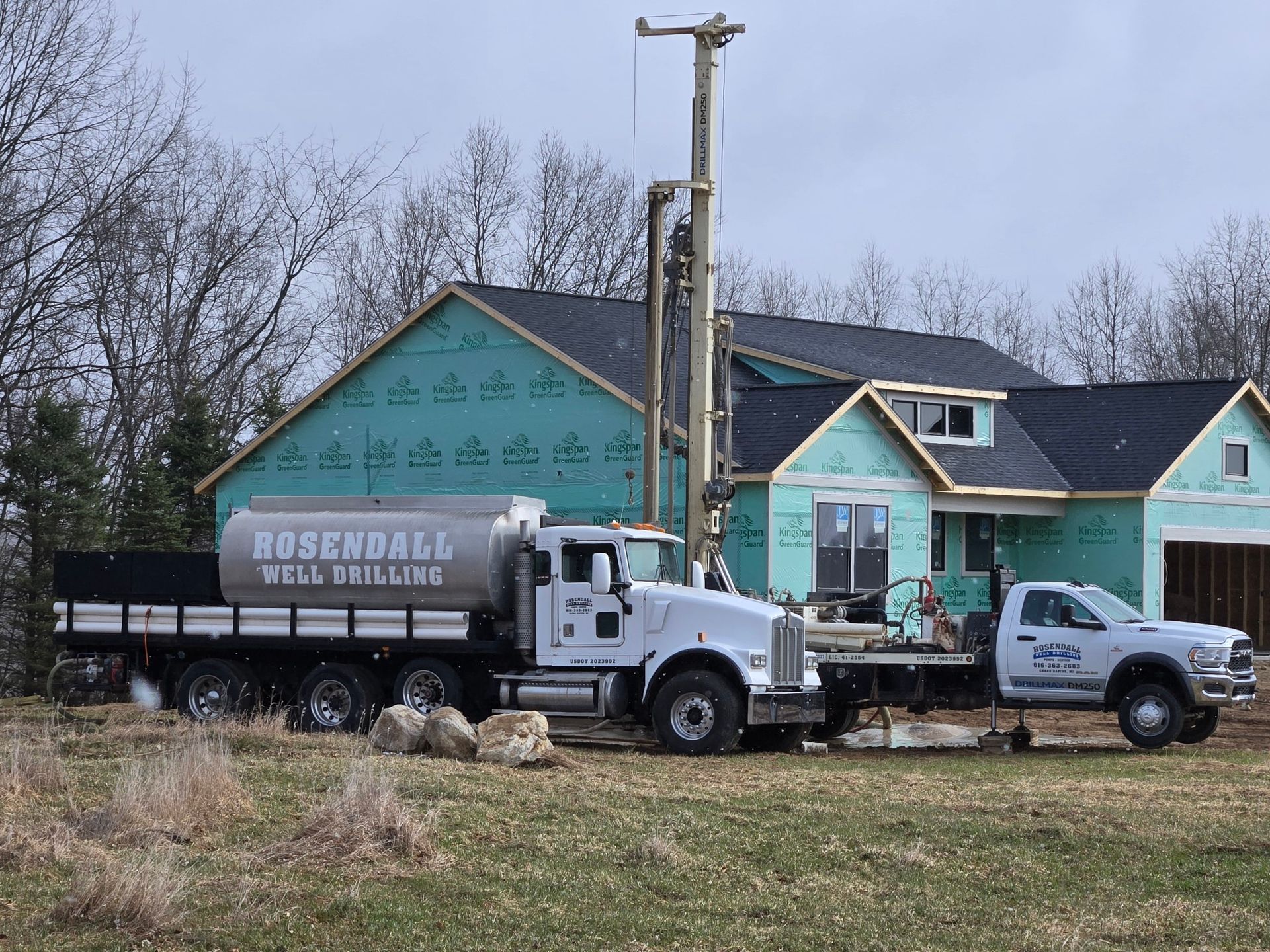
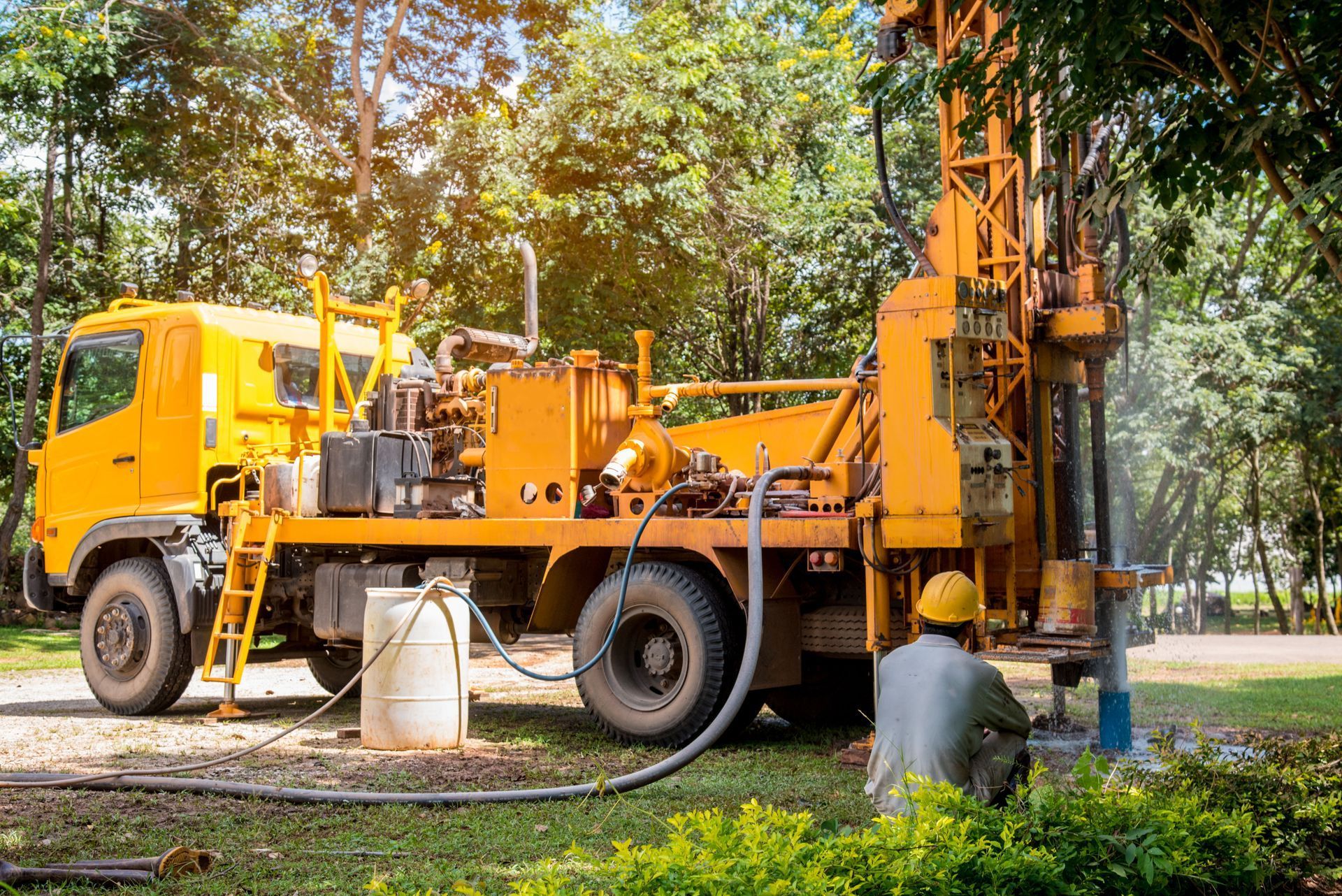
Different properties require different drilling approaches. Rotary drilling, cable tool drilling, and other methods each have applications depending on the ground conditions, required depth, and project specifications. Ask which method the contractor recommends and why it is appropriate for your site.
Modern equipment can improve drilling efficiency, accuracy, and job-site safety. Contractors should be able to explain how their machinery accommodates local terrain and how they manage unexpected obstacles. Their ability to adapt equipment and techniques can affect the project timeline and the quality of the finished well.
Equipment maintenance is equally important. Poorly maintained machinery can cause breakdowns, delays, and additional expenses. Ask how frequently drilling equipment is inspected and serviced, and whether the company has procedures for addressing mechanical problems. A dependable water well drilling service should also explain its safety practices and how workers protect nearby structures, utilities, and the surrounding property during construction.
3. Confirm the Well Location and Site Assessment
Understand the Site Evaluation Process
Choosing an appropriate drilling location requires more than identifying a convenient open space. Contractors must consider groundwater availability, soil composition, terrain, drainage, and potential contamination sources. A thorough assessment helps determine whether a proposed location can support a reliable water supply while meeting applicable safety requirements.
Ask how the contractor evaluates groundwater conditions and identifies the most suitable drilling location. Depending on the property, the assessment may involve reviewing geological information, examining nearby wells, and considering available groundwater records. These steps help establish realistic expectations for water availability and potential drilling challenges. A professional water well drilling service should explain how its site assessment findings influence the recommended location and installation plan.
The distance between a well and possible contamination sources is another critical factor. Septic systems, fuel storage areas, agricultural operations, and other potential hazards may affect groundwater quality. Local regulations often establish minimum separation distances and other requirements for well placement.
A professional assessment should account for these restrictions before drilling begins. Contractors should also identify underground utilities and consider how equipment will access the site. Discussing these details in advance can help prevent avoidable disruptions and support a safer installation.
4. Clarify the Total Project Cost
Review Pricing and Additional Expenses
Before signing an agreement, request a detailed estimate covering the expected cost of the project. Depending on the scope of work, expenses may include site preparation, drilling, casing, materials, labor, pump installation, and related equipment. Understanding what the estimate includes makes it easier to compare proposals from different contractors. When evaluating a water well drilling service, make sure the estimate clearly identifies which tasks are included and which may generate additional charges.
Ask whether the quoted amount could change if the well must be drilled deeper than anticipated or if unexpected geological conditions arise. Transportation, permits, additional materials, and follow-up services may also affect the final price. Having these possibilities explained in writing can reduce confusion and help prevent unexpected expenses.
It is also worth discussing payment schedules, warranties, and any available financing arrangements. Make sure you understand which components and services are covered by a warranty and whether labor is included. Finally, consider the long-term costs of water testing, pump servicing, and routine inspections. Comparing the complete cost of installation and ownership provides a clearer picture than choosing a contractor based on the lowest initial quote alone.
5. Establish the Project Timeline
Identify Milestones and Potential Delays
Knowing how long the installation will take helps property owners coordinate other work and plan for temporary water needs. Ask the contractor to outline the anticipated schedule, including site assessment, permitting, drilling, well construction, equipment installation, and final testing.
The timeline can vary depending on drilling depth, geological conditions, weather, equipment availability, and regulatory approvals. Unexpected rock formations or changes in groundwater conditions may also require adjustments. A reliable contractor should explain which factors could affect the schedule and how significant delays will be communicated.
Discuss the milestones that indicate progress and completion. For example, you should understand when drilling is expected to finish, when the well will be equipped, and when water testing will occur. Written expectations help both parties stay aligned and make it easier to address scheduling concerns before they become larger problems.
When comparing contractors, consider their communication practices as well as their estimated completion dates. Clear updates and realistic scheduling are often more useful than an unusually short timeline that does not account for potential complications.
6. Understand the Post-Drilling Services
Verify Water Quality and System Performance
Completing the drilling work is only one part of establishing a dependable water supply. After installation, the well should be evaluated to confirm that it functions properly and can provide water for the property's intended use. Ask which tests and inspections the contractor performs before considering the project complete.
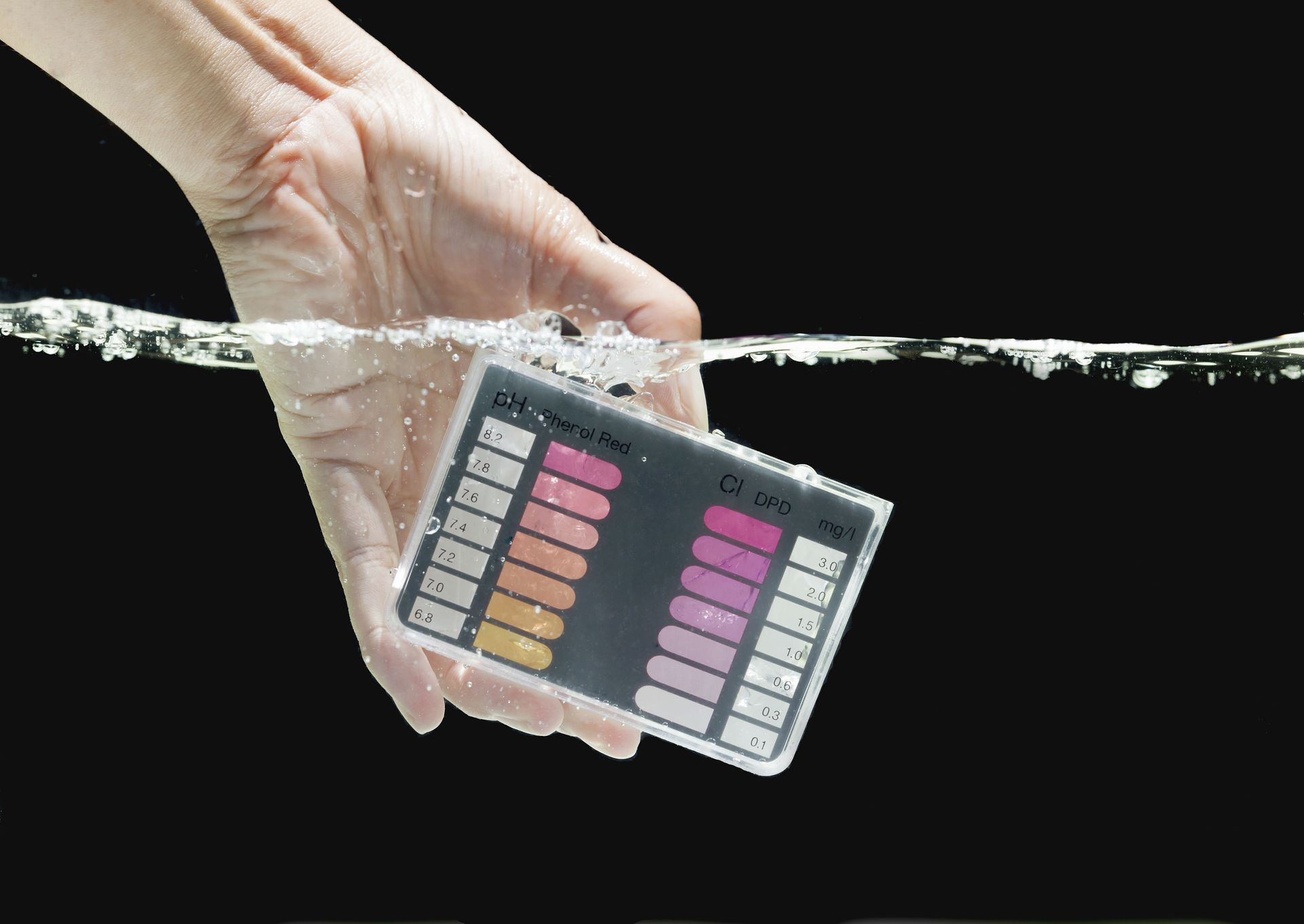
Water quality testing may check for bacteria, nitrates, metals, and other contaminants relevant to local conditions. The specific tests needed depend on the property's location and intended water use. Testing is particularly important when the well will supply drinking water because groundwater that appears clear may still contain harmful substances. Ask your water well drilling service what testing is recommended after installation and whether additional laboratory analysis may be necessary.
Ask whether the contractor measures the well's flow rate and evaluates its ability to meet expected household or commercial demand. An appropriate assessment can help identify potential supply limitations before the system enters regular use. If water treatment is needed, the contractor should explain the findings and identify suitable next steps, with specialized testing or treatment provided by qualified professionals when necessary.
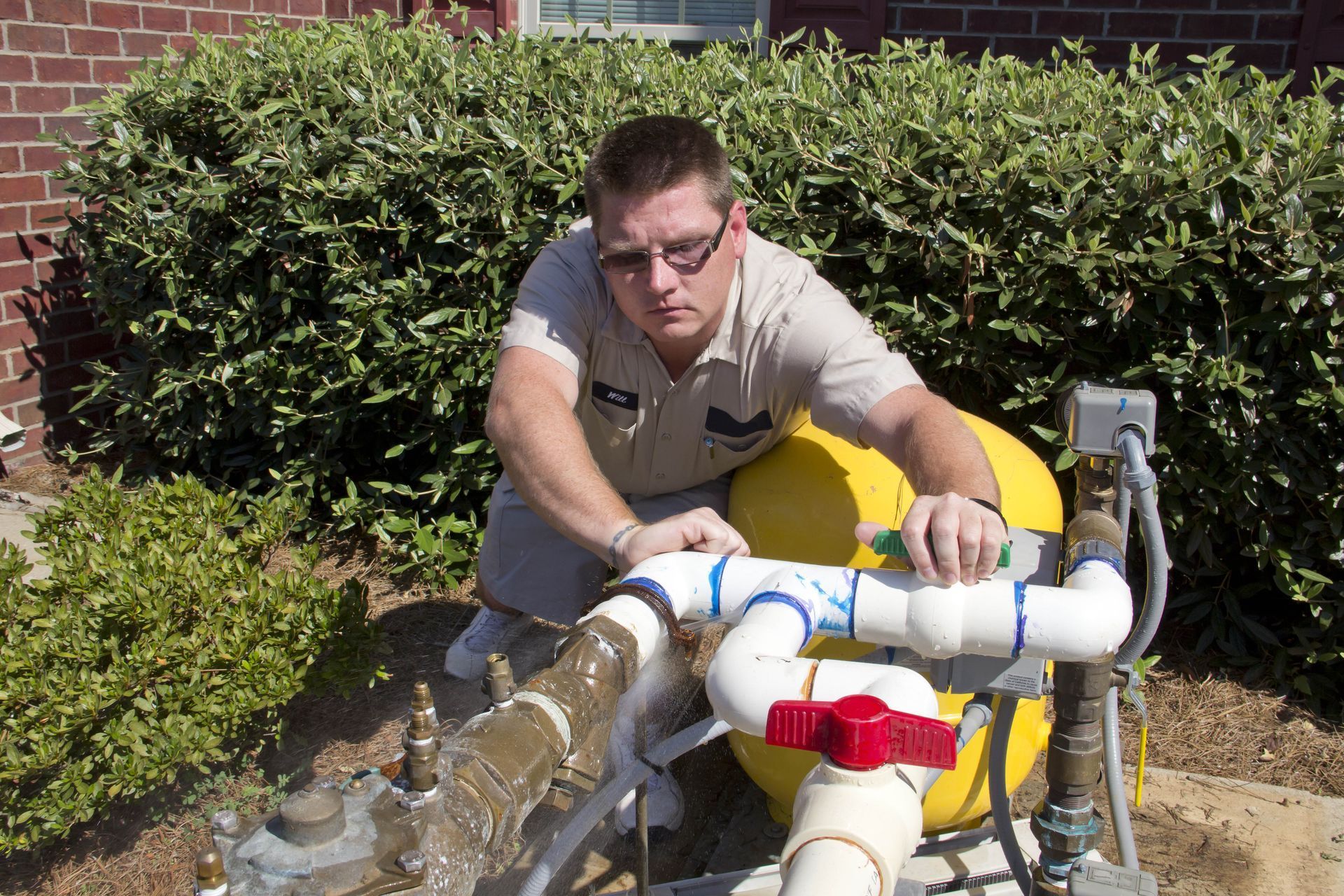
Ongoing maintenance is another important consideration. Routine inspections, periodic water testing, and pump evaluations can help identify developing problems before they interrupt the water supply. Ask whether the company offers follow-up services, provides maintenance recommendations, or explains how to recognize common warning signs.
Choose a Contractor With Confidence
Selecting a drilling contractor requires careful consideration of experience, equipment, site conditions, pricing, scheduling, and post-installation support. Asking detailed questions helps property owners understand what the project involves and whether a company can meet their needs. It also establishes clear expectations for communication, safety, and the quality of the finished well.
Before making a final decision, compare written estimates, verify relevant qualifications, and confirm that the proposed work complies with local requirements. Contact Rosendall Well Drilling to discuss your property's water well needs, explore your installation options, and determine the appropriate next steps toward a dependable water supply.