October 30, 2026
Access to a dependable private water supply begins with understanding the ground beneath a property. Soil composition, rock formations, groundwater availability, and local topography can all influence how a well is planned and constructed. These conditions vary from one location to another, meaning a drilling approach that works well on one property may not be suitable for another. A professional water well drilling service evaluates these factors to help determine the appropriate drilling method, equipment, and well design.
Understanding local ground conditions can also help property owners establish realistic expectations about project costs, timelines, and potential challenges. In some areas, drilling may pass through relatively soft soil before reaching groundwater, while other locations may contain dense rock or layers of clay. These differences affect how efficiently drilling equipment can advance and how the completed well must be constructed. Learning how ground conditions influence the process helps property owners make informed decisions when planning a new water well.
Evaluating Soil Composition Before Drilling
Soil composition is one of the first factors considered when planning a water well. Sandy soils, clay-rich deposits, gravel, and mixed sediments each behave differently during excavation and drilling. Loose sand and gravel may allow water to move through the ground relatively easily, but these materials can also collapse into an open borehole without suitable stabilization. Clay generally allows water to move more slowly, potentially affecting groundwater movement and the suitability of certain locations.
A water well drilling service evaluates available geological information and site conditions to help determine the appropriate drilling approach. The contractor may need to account for changes in soil composition as the borehole becomes deeper. Different layers can require adjustments to drilling equipment, casing, and construction methods. Evaluating the soil carefully helps establish a practical plan for reaching groundwater while maintaining the stability of the well.
Identifying Rock Formations and Underground Barriers
Rock formations can significantly influence drilling speed, equipment selection, and the overall complexity of a well project. Some properties have sedimentary rock that can be drilled using conventional methods, while others contain harder formations that require specialized equipment. Fractures and openings within certain rocks may provide pathways for groundwater to move underground. However, solid rock does not automatically indicate that a dependable water supply will be available. A water well drilling service must consider the type of formation encountered and how it may affect the well's construction.
Hard rock can increase drilling time and place additional demands on equipment. Changes in the geology may also require adjustments to drilling techniques as work progresses. Understanding these underground conditions helps contractors anticipate challenges and develop a plan suited to the property's geological characteristics.
Determining Local Groundwater Depth
Groundwater depth is another important consideration when deciding how to construct a well. The water table can vary depending on local geology, seasonal rainfall, nearby surface water, and regional groundwater conditions. According to HomeGuide, residential water wells commonly extend to depths of 100 to 300 feet, although the actual depth varies with local groundwater levels. This range provides a general reference rather than a guaranteed depth for any particular property.
Some wells may reach a usable aquifer at a shallower depth, while others must extend farther underground to access a suitable water source. A water well drilling service can use available local information and observations during drilling to help determine the appropriate depth. Reaching groundwater does not necessarily mean the well will produce enough water for household needs. The available supply must also be evaluated to determine whether the completed well can support the property's intended use.
Assessing Groundwater Availability and Yield
Finding groundwater is only one part of developing a reliable private water supply. The quantity of water available from an aquifer can vary based on the surrounding geology, the formation's ability to store water, and the rate at which groundwater moves through it. Some wells may produce water steadily, while others may have limited output despite reaching a substantial depth. A water well drilling service considers these factors when developing the well and evaluating its expected performance.
Pumping tests may be used to assess how much water the well can supply and how the water level responds during use. These results can help determine whether the well is appropriate for household demands, irrigation, or other intended applications. Seasonal changes may also influence groundwater levels and available yield. Evaluating supply helps property owners understand the well's practical capabilities and make informed decisions about water use.
Managing Surface Drainage and Site Elevation
The shape and elevation of a property can affect both well placement and protection from surface water. Low-lying areas may collect rainwater, while sloped sites can direct runoff toward particular parts of the property. If a well is placed without considering these conditions, surface water may create contamination risks or interfere with access to the equipment. A professional water well drilling service evaluates the site to identify suitable locations that account for drainage, access, and applicable separation requirements. Proper wellhead construction and grading can help direct surface water away from the well opening.
Contractors must also consider nearby septic systems, buildings, property boundaries, and other potential sources of contamination. Local regulations may establish minimum distances or construction requirements that influence where a well can be installed. Careful site selection helps protect the water supply while allowing the drilling equipment and future maintenance crews to access the well safely.
Adapting Drilling Methods to Local Conditions
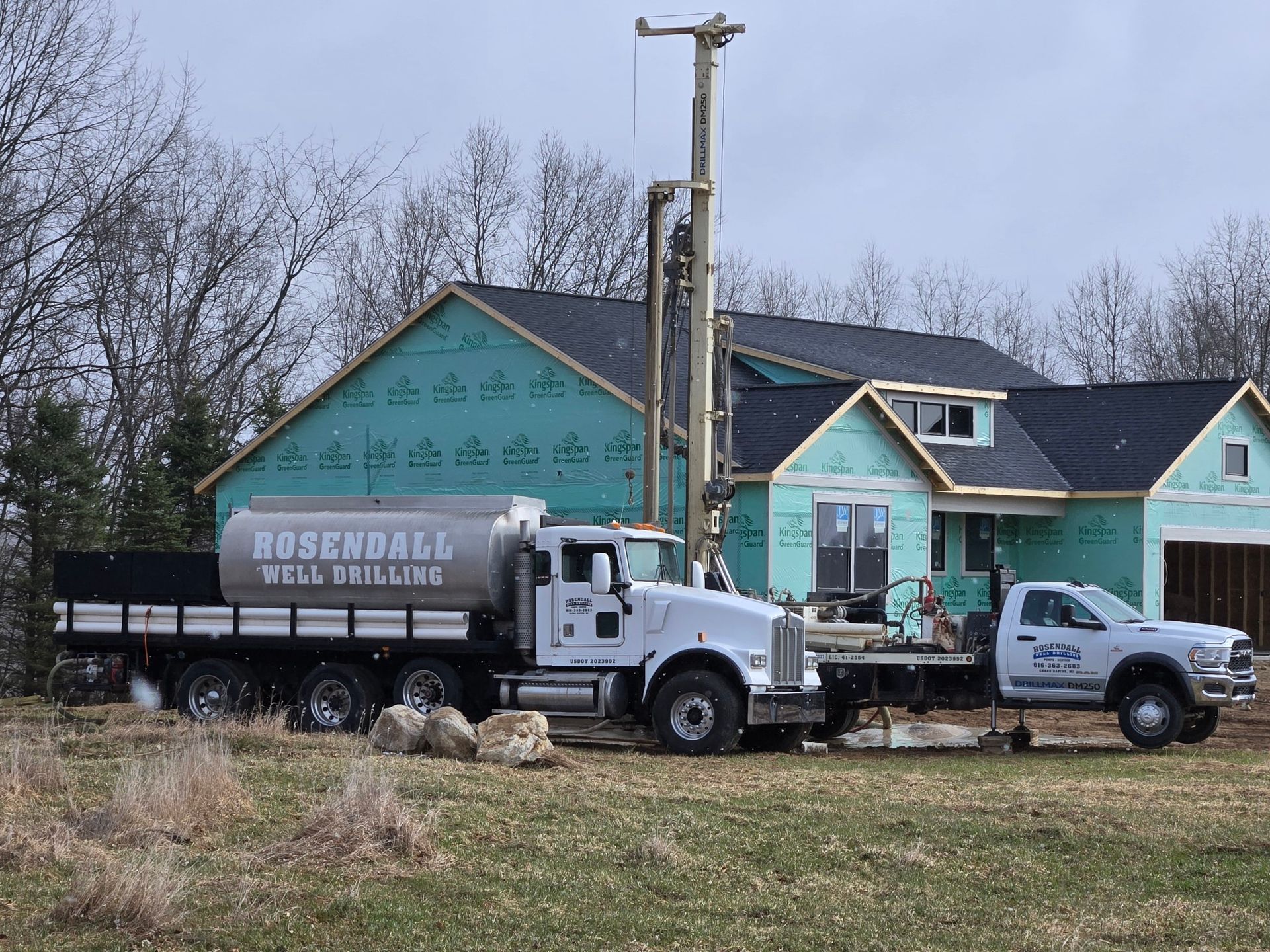
Because underground conditions vary, drilling methods and equipment must be appropriate for the materials encountered. Some sites may be suitable for rotary drilling, while others may require different techniques to manage rock, loose sediments, or changing geological layers. The contractor's equipment selection can influence drilling progress, borehole stability, and the ability to install the necessary well components. A water well drilling service may also adjust its approach when unexpected conditions appear during construction. For example, encountering a harder rock layer or unstable sediment can require changes to the drilling process.
Proper casing and well-screen selection are important considerations when the geology includes unconsolidated materials that could enter the well. The completed well must be constructed to protect the water source and support reliable operation. Adapting the process to the ground conditions helps address site-specific challenges rather than relying on a single approach for every property.
Planning for Water Quality and Long-Term Reliability
Ground conditions influence not only how a well is drilled but also the characteristics of the water it produces. Naturally occurring minerals, dissolved substances, and nearby sources of contamination can affect groundwater quality. Different geological formations may contribute varying mineral content, which can influence taste, staining, or the need for water treatment. However, water quality cannot be determined reliably from soil or rock appearance alone.
A professional water well drilling service can help property owners understand the importance of appropriate well construction and water testing. Testing through a qualified laboratory can identify contaminants that may require treatment or further investigation. Well caps, casing, drainage, and regular maintenance also help protect the water supply after installation. Planning for testing and upkeep supports long-term reliability and gives property owners a clearer understanding of the water they use.
Local soil, rock formations, groundwater depth, and drainage conditions all contribute to the planning and construction of a dependable well. Understanding these factors helps property owners prepare for the drilling process and recognize why each site requires an approach suited to its geology. Professional evaluation can help identify potential challenges, guide well placement, and determine the equipment and construction methods needed for the project. Rosendall Well Drilling can help property owners explore their well drilling needs and understand the considerations involved in developing a private water supply.
Before beginning a project, discuss the property's location, intended water use, and any known concerns about local ground conditions. Contact us to discuss your property and take the next step toward planning a water well that meets your needs.