November 17, 2026
Many homes and businesses rely on private wells for their everyday water needs. A well can provide a dependable, refreshing supply of water, but it also needs care and attention to keep performing well. Over time, changes in the surrounding environment, aging equipment, and natural minerals in the ground can all affect the water that reaches your faucets. The good news is that water treatment has improved a great deal in recent years. Today's solutions are more effective, easier to maintain, and better suited to the needs of individual properties. When combined with professional well services, these advancements can help property owners enjoy cleaner, safer water for years to come.
Integrating Modern Treatment Into the Entire Well System
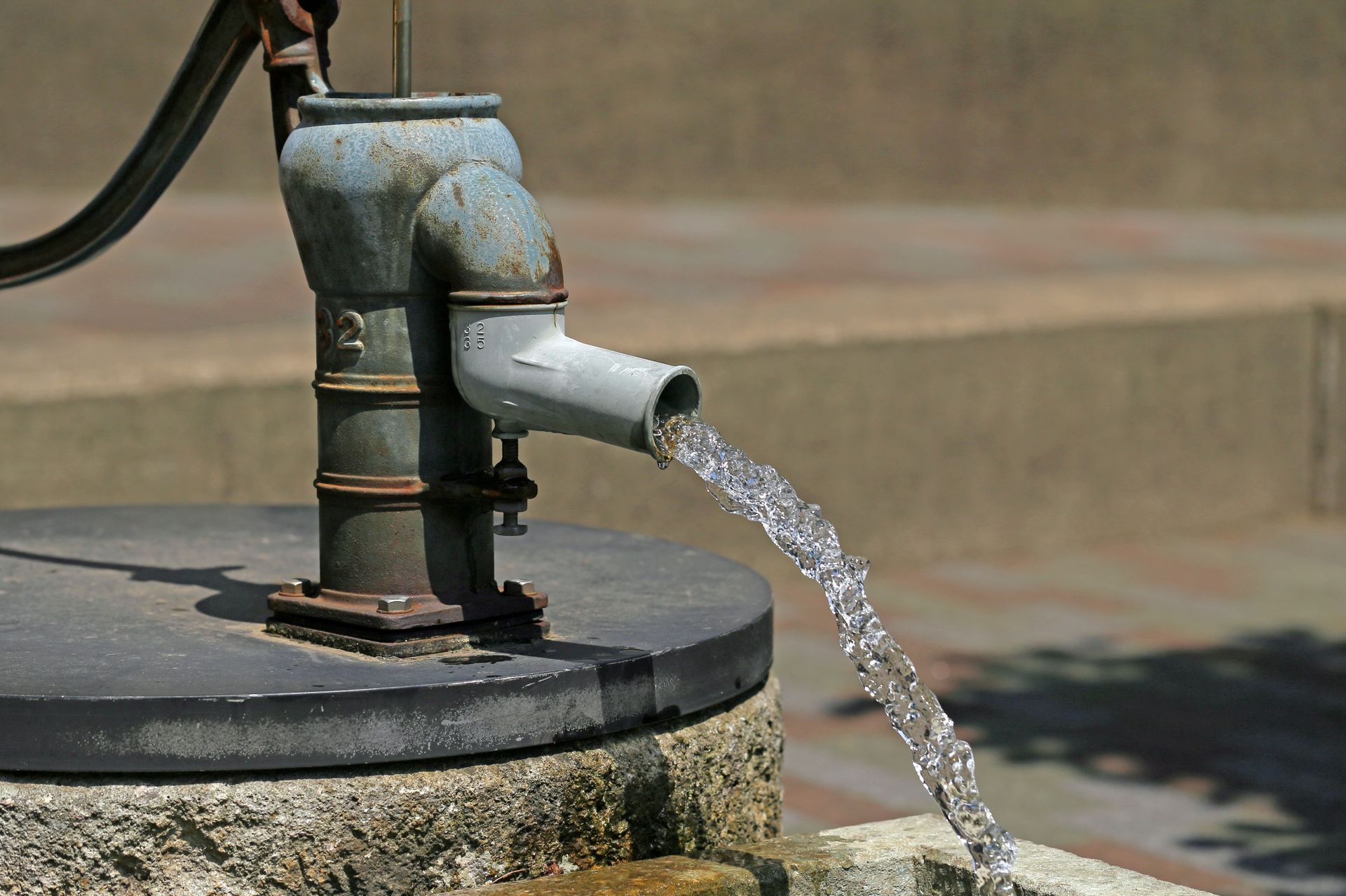
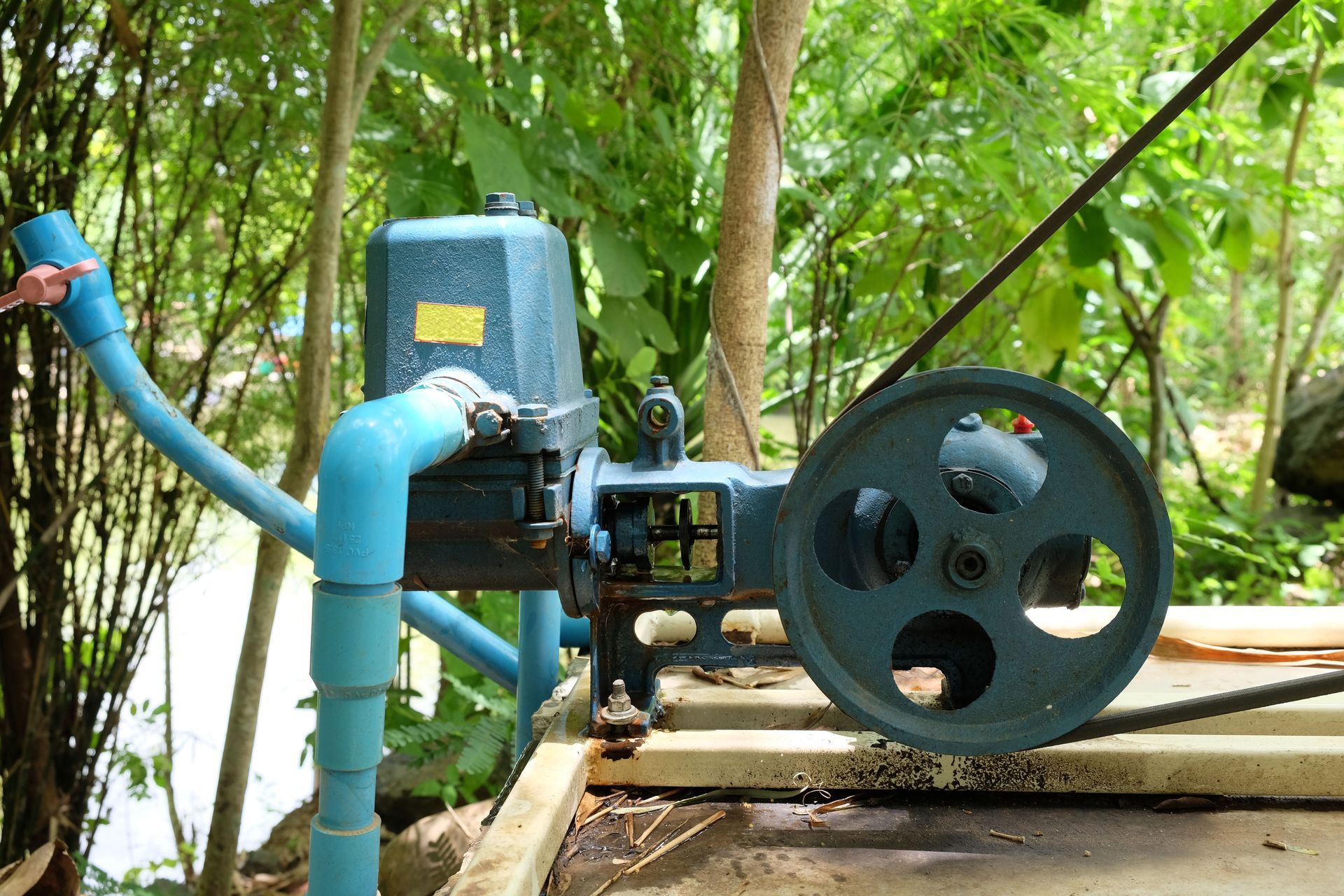
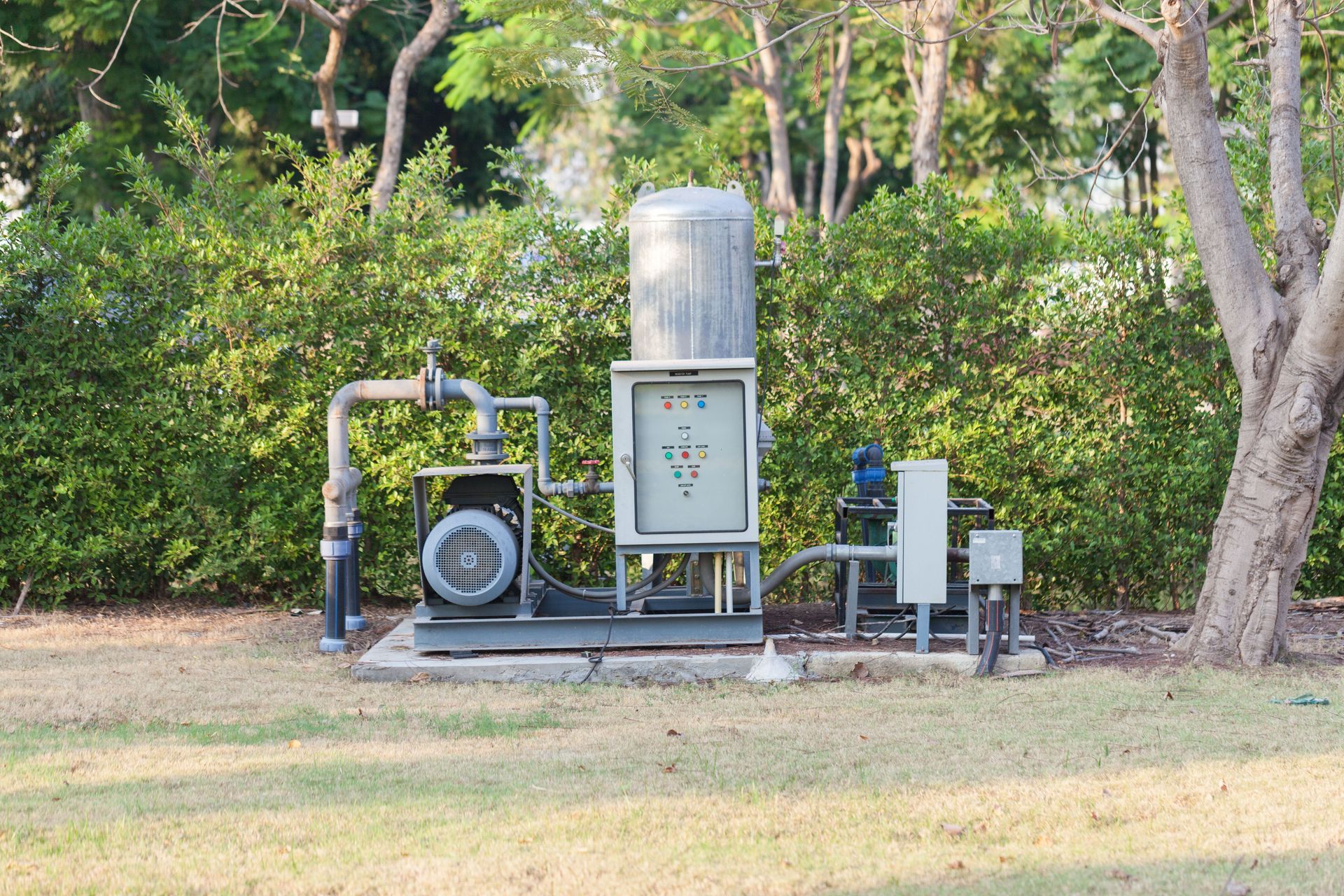
One of the biggest ways new treatment technologies enhance well water systems is by working more seamlessly with the equipment already in place. A typical system includes the well, a pump, a pressure tank, and the pipes that carry water through the property. According to the U.S. EPA, shallow wells with depths of 25 feet or less generally utilize jet pumps, which are one type of pump that operates above ground using suction. Deeper wells usually rely on other pump styles designed to move water from farther below.
Older treatment equipment was often bulky and difficult to fit into these different setups. Many of today’s systems are more compact and adaptable, making it easier to add treatment without major changes to the existing system. They can be designed to match the flow and pressure a well produces, so water is treated effectively without slowing down sinks, showers, or appliances. This allows treatment to become a natural part of the system rather than an afterthought.
Solving Common Water Problems More Effectively
Well water can face a variety of challenges, including cloudy or discolored water, unusual tastes or odors, staining on fixtures, and buildup on faucets and appliances. In some cases, there are no visible signs at all, even when something in the water needs attention. In the past, property owners often had limited options for dealing with these concerns, and many solutions only addressed part of the problem.
New treatment technologies are changing that. Today’s systems can target a wider range of issues and often combine several types of treatment into one coordinated approach. Instead of using a one-size-fits-all solution, property owners can choose treatment designed around their specific water conditions. This leads to more consistent results, fewer recurring problems, and better water throughout the property.
Modern equipment is also easier to live with. Many systems require less hands-on attention and are built to last longer between service visits. If you notice changes in your water, reaching out to a professional sooner rather than later can help you take advantage of these improved solutions before small issues grow.
Testing Water to Guide Treatment Choices
Every well is different, and the right treatment approach starts with knowing what's in your water. Water testing gives a clear picture of your supply and helps identify any issues that may need attention. Without testing, it's easy to choose a solution that doesn't fully address the real problem.
Modern testing methods make it easier to get accurate, useful results. These results can reveal whether the water needs filtering, disinfecting, or other types of treatment. Testing also creates a baseline, making it easier to spot changes over time.
Many experts recommend testing well water on a regular basis, and any time you notice a change in taste, smell, or appearance. Testing is also a smart step after repairs, flooding, or other events that could affect your water. Routine well services that include testing and inspections help ensure that small issues are caught early, before they turn into larger, more costly problems.
Improving Water Quality With Modern Filtration
Filtration remains one of the most common ways to improve well water, and newer technologies have made it more effective than ever. Today's filtration systems can target a wider range of unwanted substances, from sediment and particles to minerals that affect taste, smell, and appearance. One of the biggest benefits of modern filtration is flexibility.
Systems can often be tailored to the specific needs of a property, whether the goal is to treat water for the entire home or address a single concern. Many newer systems are also designed to be more efficient and easier to maintain, reducing the time and effort needed to keep them running. Better filtration doesn't just improve the water you drink. It can also help protect plumbing, fixtures, and appliances from buildup and wear. Working with a provider of well services ensures your filtration system is properly sized and installed, so it delivers the results you expect.
Protecting Against Harmful Microorganisms
Besides minerals and sediment, well water can sometimes contain bacteria or other microorganisms. These can enter a well through cracks, damaged components, or changes in the surrounding environment. Because they often can't be seen, tasted, or smelled, they may go unnoticed without testing.
Newer disinfection technologies offer reliable ways to address these concerns. Many of today's options work without adding strong tastes or odors to the water, making them a popular choice for homeowners. They are also designed to work alongside other forms of treatment, creating multiple layers of protection.
Disinfection works best when the rest of the system is in good shape. A well that is properly sealed, maintained, and inspected is less likely to become contaminated in the first place. Combining effective treatment with regular well services gives property owners added peace of mind about the safety of their water.
Supporting Treatment With a Healthy Well System
Even the most advanced water treatment technology depends on a well system that works properly. If a pump is struggling, a pressure tank is failing, or other components are worn, treatment equipment may not perform as intended. Low pressure, inconsistent flow, or frequent cycling can all affect how well treatment systems do their job.
Regular maintenance helps keep every part of the system working together. Inspections can identify worn parts, pressure problems, or other issues before they disrupt your water supply. Scheduling well services on a consistent basis is one of the simplest ways to keep your equipment and water quality on track. When repairs or upgrades are needed, addressing them promptly helps protect both your equipment and your water quality.
Thinking of your well as one complete system, rather than separate parts, leads to better long-term results. Treatment, testing, and maintenance all support one another. Together, they help extend the life of your well and make sure your investment in water treatment pays off.
New water treatment technologies are making it easier than ever to enjoy clean, safe, and reliable well water. From improved testing and filtration to modern disinfection options, today's solutions can address many common concerns while helping your system run more efficiently. Still, the best results come from pairing the right technology with a well that is properly maintained.
If you have questions about your water quality or need dependable well services, Rosendall Well Drilling is here to help. Our team can test your water, inspect your system, and help you find the right solution to keep your well running smoothly. Contact Rosendall Well Drilling today to schedule a visit and take the next step toward better water for your home or business.