November 8, 2026
A private well provides an important water source for households that are not connected to a municipal supply. However, changes in water quality, inconsistent pressure, aging equipment, and mineral buildup can affect how well a system performs over time. Upgrading key components can help homeowners address these concerns while improving the reliability of their household water supply. Depending on the property's needs, improvements may include replacing an aging pump, installing filtration equipment, updating pressure controls, or repairing damaged pipes. Professional well services can help identify the cause of recurring problems and determine which upgrades are appropriate. Rather than replacing equipment without understanding the underlying issue, homeowners benefit from a thorough evaluation of their existing system. Understanding the available improvements can help property owners make informed decisions about water quality, efficiency, and long-term maintenance.
Identifying Problems With Existing Well Systems
Recognizing the signs of a struggling well system is the first step toward improving its performance. Changes in water taste, unusual odors, discoloration, or visible particles may indicate a water quality concern that requires investigation. Low pressure, frequent pump cycling, and inconsistent flow can point to mechanical problems involving the pump, pressure tank, plumbing, or water supply. Homeowners should avoid assuming that every problem requires the same repair because different symptoms can have different causes. Experienced well services providers can inspect the system and recommend appropriate diagnostic tests. Water testing is particularly important when the concern involves possible bacteria, nitrates, minerals, or other contaminants. A professional assessment can distinguish between equipment problems and issues affecting the groundwater itself. Identifying the cause before selecting an upgrade helps homeowners avoid unnecessary expenses and focus on practical solutions.
Improving Water Quality Through Filtration
Water treatment equipment can help address specific quality concerns identified through laboratory testing. Depending on the results, a homeowner may benefit from sediment filters, activated carbon systems, water softeners, or specialized treatment equipment designed for particular contaminants. Each treatment method serves a different purpose, so choosing a system based only on appearance or taste may not address the underlying issue. Professional well services can help homeowners understand their test results and determine which treatment options match their water chemistry. Sediment filtration, for example, may reduce suspended particles, while other technologies target selected dissolved substances. Installation should account for household water demand, maintenance requirements, and the amount of space available for equipment. Filters and treatment components must also be serviced according to manufacturer recommendations. Choosing treatment based on verified results can improve water quality without relying on unnecessary or unsuitable equipment.
Upgrading Pumps for Reliable Water Flow
The well pump plays a central role in moving groundwater into a home's plumbing system. When a pump becomes worn or improperly sized, homeowners may experience low pressure, reduced flow, unusual noises, or frequent interruptions in service. Replacing an aging unit with an appropriately selected model can help restore dependable water delivery. Before recommending a replacement, well services professionals can evaluate the well's depth, pumping capacity, household demand, and existing electrical components. The goal is to match the pump to the system rather than simply choosing the most powerful available option. Correct sizing can also help reduce unnecessary cycling and support efficient operation. Installation should include checks of relevant controls, connections, and safety requirements. A properly selected and maintained pump can contribute to more consistent performance throughout the home.
Stabilizing Pressure With Updated Components
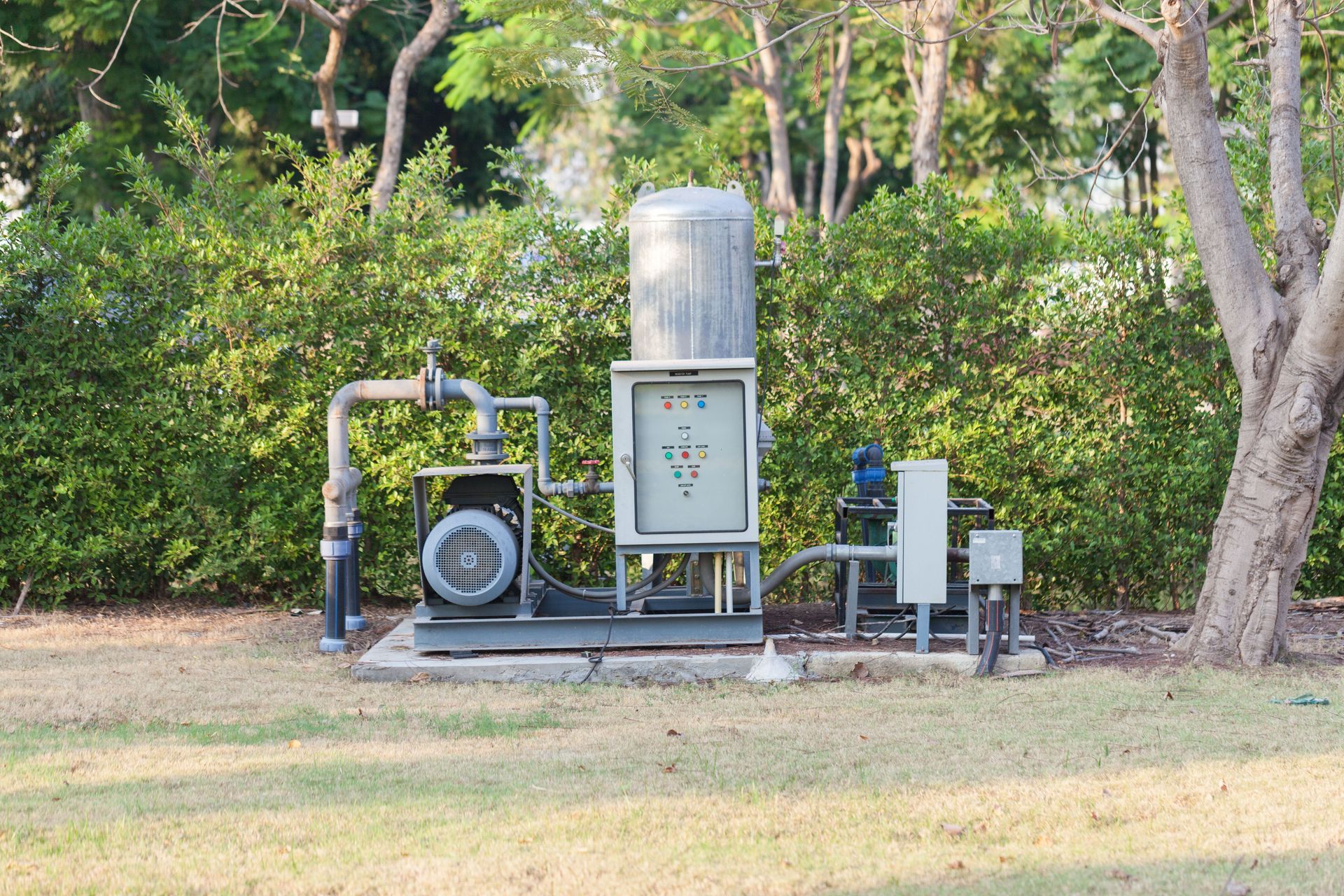
Water pressure affects everyday activities such as showering, washing dishes, doing laundry, and operating household appliances. A failing pressure tank or malfunctioning pressure switch may cause fluctuations that make these tasks inconvenient. An upgrade can involve replacing worn components, adjusting system settings, or correcting problems with the existing plumbing arrangement. Qualified well services technicians can determine whether the pressure tank is functioning correctly and whether the controls are appropriate for the pump. They can also check for leaks or restrictions that may reduce flow before recommending new equipment. Maintaining suitable pressure helps the system deliver water more consistently across multiple fixtures. Homeowners should avoid making adjustments without understanding the equipment's operating requirements. Addressing the underlying cause of pressure fluctuations can improve comfort and help prevent unnecessary strain on system components.
Addressing Hard Water and Mineral Buildup
Groundwater naturally contains dissolved minerals, and their concentrations vary according to local geology. Hard water commonly contains elevated levels of calcium and magnesium, which can leave scale deposits on fixtures, inside pipes, and within water-using appliances. Over time, buildup may affect cleaning performance and contribute to maintenance concerns in certain parts of the plumbing system. Testing can confirm water hardness and help determine whether a treatment system would be beneficial. Professional well services may include recommendations for water softeners or other treatment options when the results justify their use. Homeowners should understand that softening addresses hardness minerals but does not remove every possible contaminant. Equipment selection should consider household consumption, regeneration requirements, and ongoing operating costs. A suitable treatment plan can help manage mineral buildup while supporting the needs of the household.
Protecting Wells From Contamination Risks
Water system upgrades should also consider how the well is protected from potential sources of contamination. Damaged casing, an improperly fitted well cap, poor drainage, and nearby contamination sources may create pathways for pollutants to enter the water supply. According to the Environmental Protection Agency, the 1996 amendments to the Safe Drinking Water Act left private well owners responsible for ensuring the quality of their own drinking water, rather than placing private wells under the federal regulatory framework that applies to public water systems. This responsibility makes regular testing and appropriate maintenance particularly important for homeowners. Professional well services can help evaluate visible components and identify conditions that may require correction. Depending on the findings, improvements might include repairing the well cap, addressing drainage concerns, or arranging additional testing. Any suspected contamination should be investigated before relying on treatment equipment as the only solution. Protecting the source itself is an essential part of maintaining a dependable household water supply.
Increasing Efficiency Through Routine Maintenance
System upgrades deliver better results when supported by a consistent maintenance plan. Regular inspections can identify leaks, worn electrical connections, pressure problems, damaged pipes, and other issues before they cause major disruptions. Homeowners should also follow recommended schedules for replacing filters, servicing treatment equipment, and testing water quality. Keeping records of repairs and test results makes it easier to track recurring problems and evaluate changes in system performance. Reliable well services can help establish a maintenance schedule suited to the equipment, local groundwater conditions, and household usage. After flooding, major repairs, or other events that could affect water safety, additional inspection and testing may be appropriate. Preventive maintenance can reduce the likelihood of unexpected failures and help property owners plan for replacement costs. Consistent attention supports the long-term performance of both the well and its connected equipment.
Planning Upgrades Around Household Needs
The most effective water system improvements begin with a clear understanding of the household's priorities. Some homeowners may need better filtration, while others may be dealing with an aging pump, fluctuating pressure, or several concerns at once. A professional evaluation can help establish which problems require immediate attention and which improvements can be scheduled for later. Well services providers can explain the purpose, cost, maintenance requirements, and expected benefits of recommended equipment. Homeowners should ask whether proposed upgrades address a confirmed issue and what testing may be needed to verify the results. Comparing options based on system compatibility and long-term operating needs can help prevent unnecessary spending. It is also important to follow local requirements for well work and use qualified professionals for appropriate installation and repairs. A carefully planned approach can improve water quality and performance while making ongoing system care more manageable.
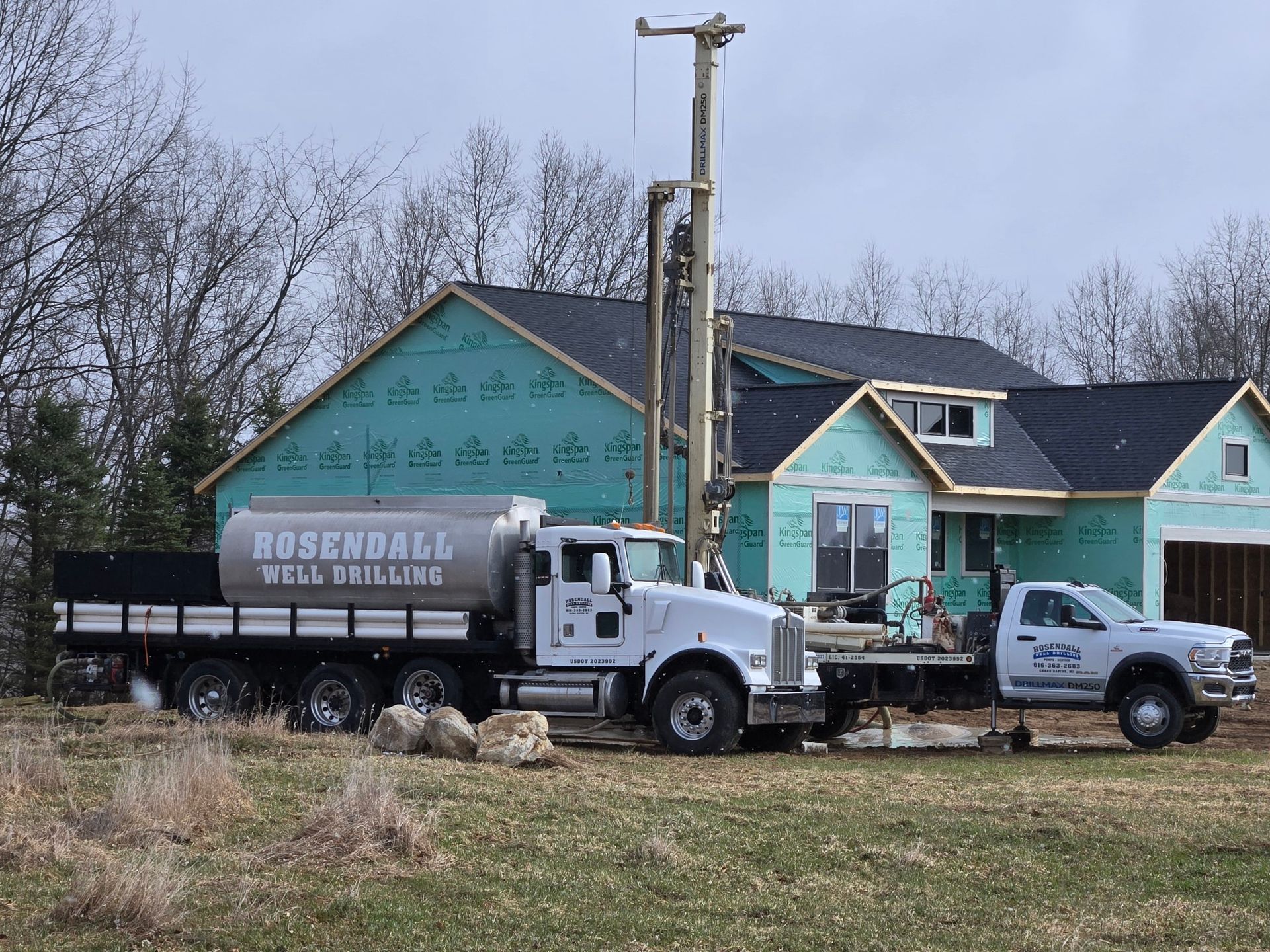
Upgrading a private well system can help address water quality concerns, improve pressure, and support dependable water delivery when the improvements are matched to the property's needs. Testing, professional inspection, suitable equipment, and routine maintenance all contribute to a reliable water supply. Contact Rosendall Well Drilling to discuss your well system concerns and explore practical upgrades that can help improve water quality, system performance, and long-term reliability.